Last updated November 22, 2026
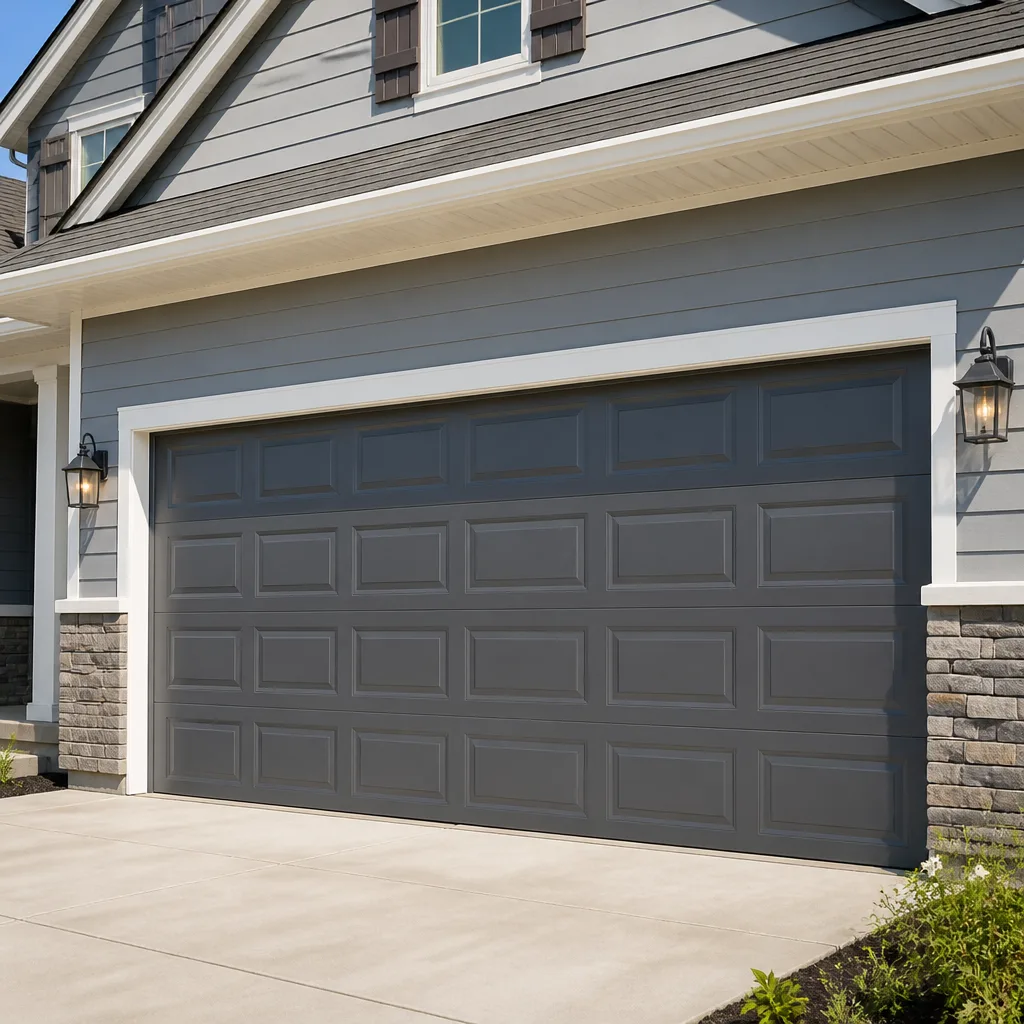 Raised-panel steel
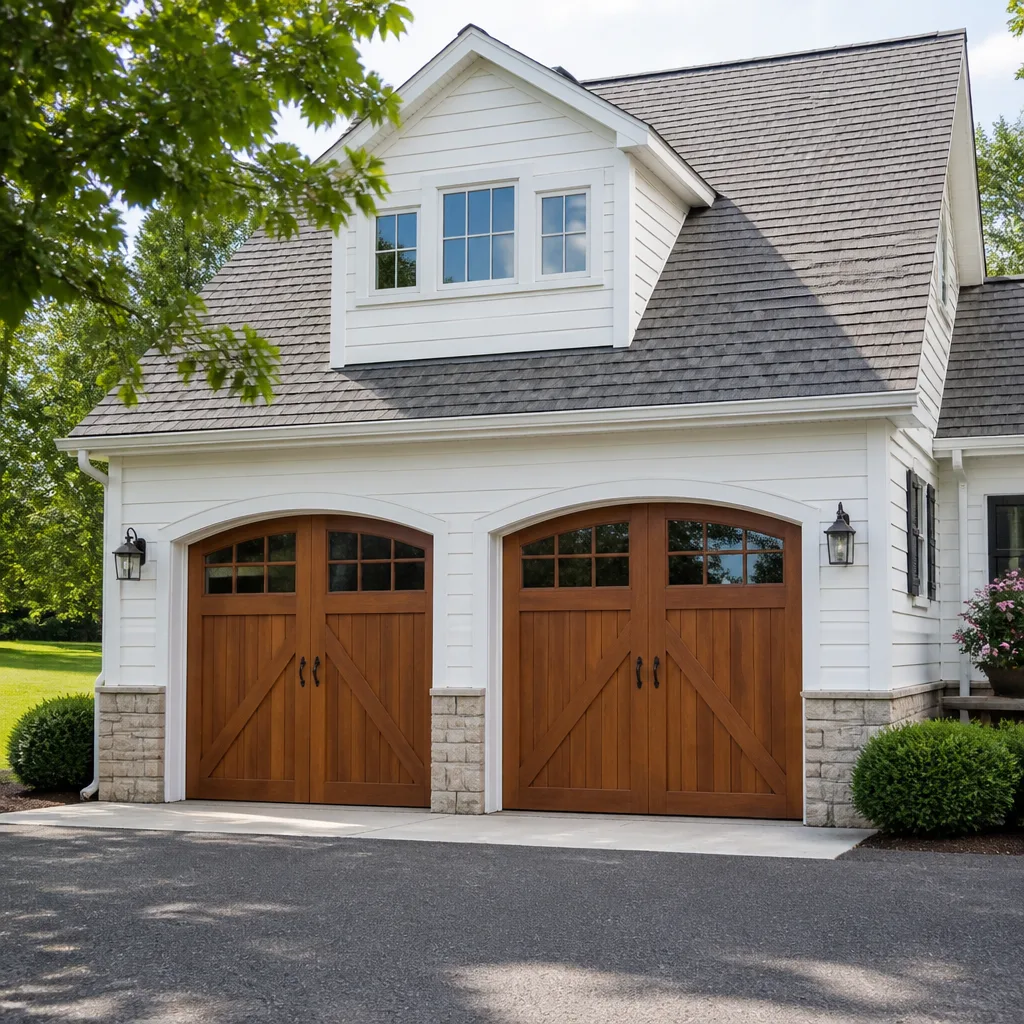 Carriage house
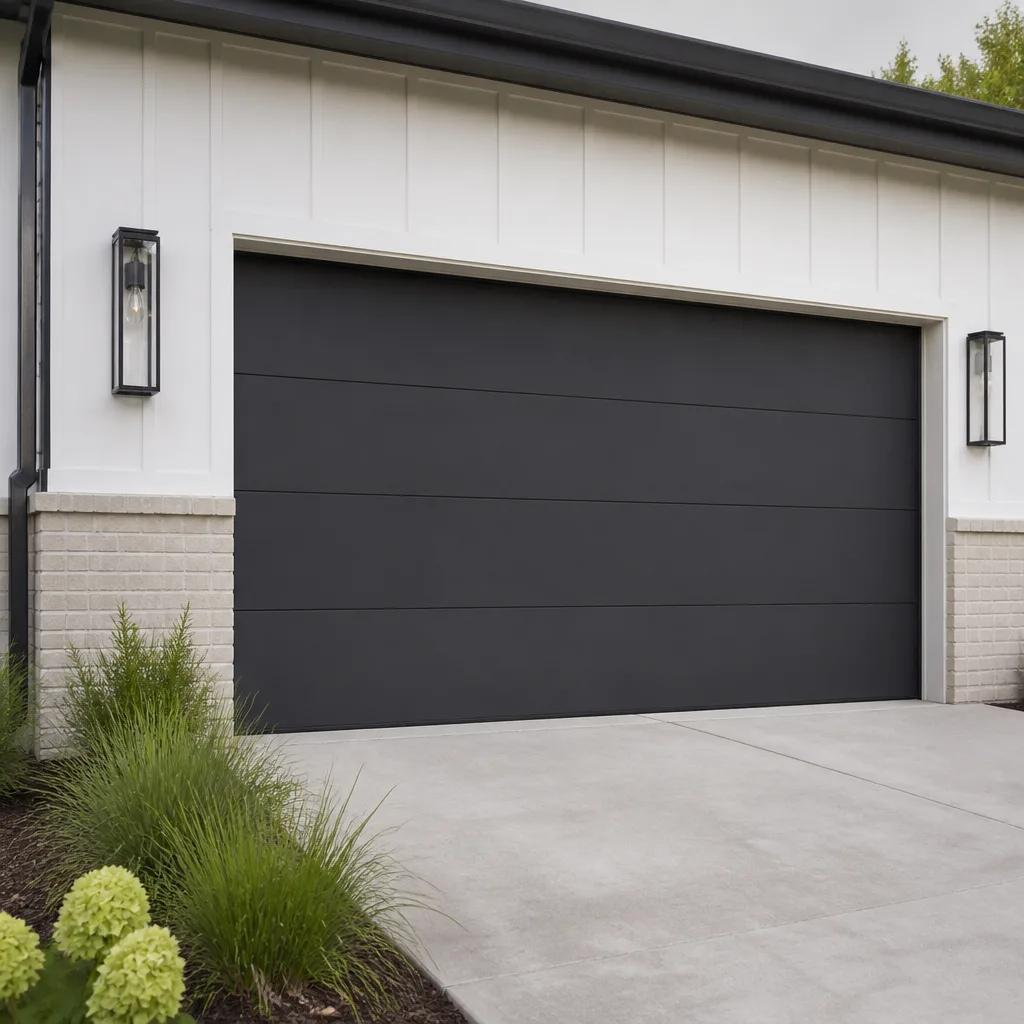 Modern flush
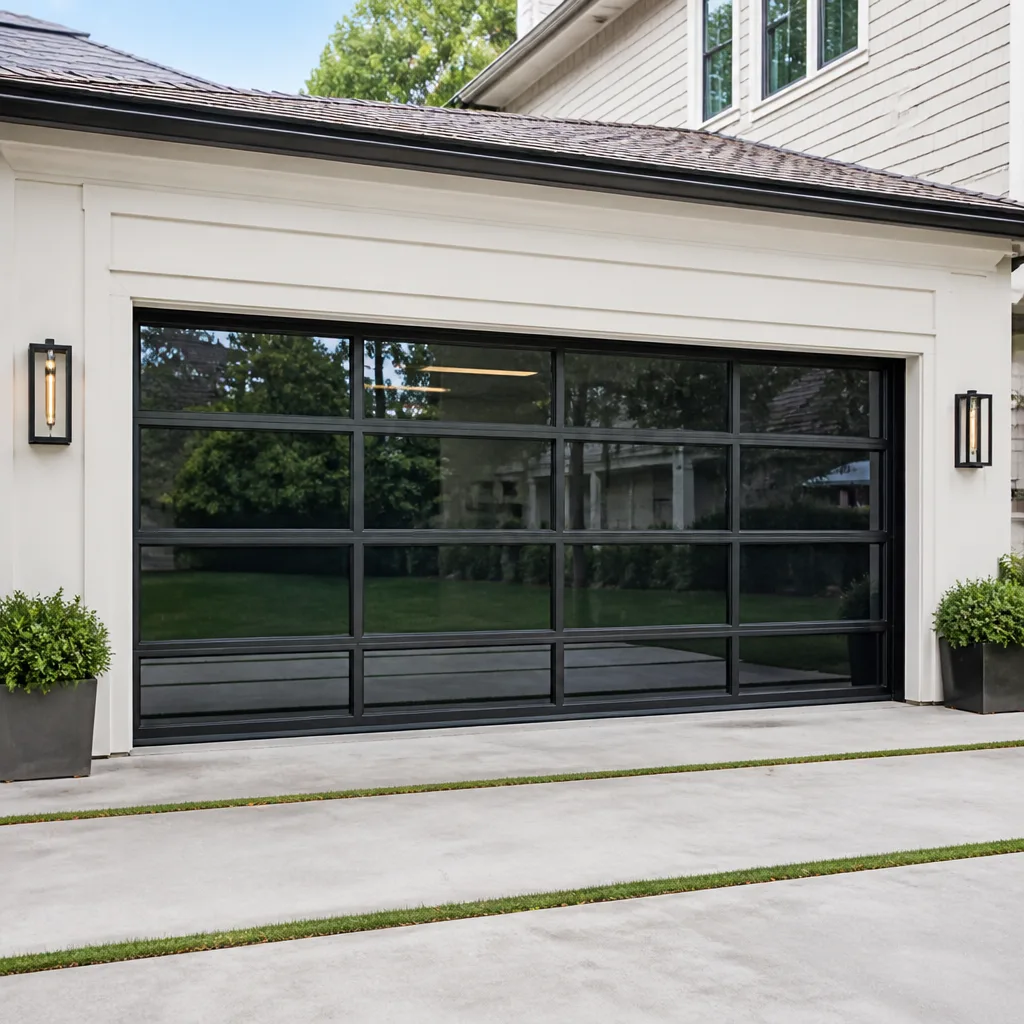 Full-view glass
 LiftMaster openers
 Chamberlain openers
Full 25-point door and opener safety check with every visit - springs, cables, rollers, tracks, and your LiftMaster or Chamberlain opener included
You get a price before we start. It does not change when the pro arrives.
Get your free estimateGarage Door Permits, Codes & Inspections in Framingham, MA: What You Need to Know
Swapping out a garage door feels like straightforward maintenance until paperwork gets in the way. Here’s the part most Framingham homeowners don’t expect: a full door replacement can require a building permit, and work that changes the door opening or adds opener wiring usually does. When that permit was never pulled, the problem tends to surface years later, at a closing table, when a buyer’s inspector asks for documentation on a structural change nobody can produce. This guide walks through where Massachusetts code draws the line between simple maintenance and a permitted alteration, what a Framingham building inspector actually checks, and how to look up permit history before you buy. By the end, you’ll know when you need paperwork and when you genuinely don’t.
Quick Answer
In Framingham, a like-for-like garage door replacement using the existing opening and existing opener wiring is typically treated as maintenance and rarely needs a permit. A permit generally becomes necessary when the work alters the structure of the opening (header changes, widened or raised openings, new framing), when new electrical circuits or outlet runs are added for an opener, or when the door is part of a larger alteration to the garage. Massachusetts State Building Code (780 CMR) governs residential work, and the safest move is always to confirm with Framingham’s building department before the job starts.
Styles & brands we work with
- Raised-panel steel
- Carriage house
- Modern flush
- Full-view glass
- LiftMaster openers
- Chamberlain openers
Table of Contents
- When does a garage door replacement need a permit in Framingham?
- How Massachusetts State Building Code (780 CMR) applies to garage doors
- Permit required vs. pulled as best practice
- How to check permit history on a Framingham property
- What a Framingham building inspector actually looks at
- Why Framingham’s climate makes door hardware age faster
- When to call a professional
- Frequently asked questions
When Does a Garage Door Replacement Need a Permit in Framingham?
The dividing line is structural change, not the door itself. A new Clopay or Amarr door hung in the same opening, using the same track and the same opener location, is ordinarily a repair or replacement in the eyes of the code. The moment the job stops being a swap and starts being a modification, the question of a permit comes up.
The clearest way to think about it: does the work change the load-bearing elements of the opening, or does it add or reroute electrical circuits? If either answer is yes, you’re likely in permit territory. If both answers are no, you’re likely in maintenance territory.
These are the situations where a Framingham permit is commonly required:
- Header or framing changes. Installing a wider door, raising the opening height, or replacing a rotting header means structural work, which falls under the building code and requires a permit and inspection.
- New electrical for the opener. Adding a dedicated circuit, running new wire, or installing a new outlet for the opener is electrical work. Massachusetts requires licensed electricians for that work, and it’s inspected separately.
- Changing the garage structure itself. Converting a garage to living space, adding a new overhead door opening to an existing wall, or altering the garage footprint all need permits for the structural scope.
- Door as part of a larger addition or renovation. If the door replacement is bundled into a bigger permitted project, the door is covered by that permit.
And these are the situations where a permit is usually not required:
- Same-size door in the same opening, using the existing track and hardware.
- Opener replacement in the same location on the existing circuit.
- Spring replacement, cable replacement, roller replacement, and panel repair.
- Replacing a door with a newer model of the same dimensions and weight class.
The word “usually” is doing real work in that list. Every Framingham property is different, and small details (a door pulling load from an above room, a header that was already modified before you owned the home) can change the answer. Before scheduling a new-door install in Framingham, call the town’s building department and describe the job in plain language. They’ll tell you in under five minutes whether a permit is needed.
How Massachusetts State Building Code (780 CMR) Applies to Garage Doors
Massachusetts State Building Code, known as 780 CMR, is the statewide code that Framingham enforces locally. It covers structural requirements, means of egress, fire separation between a garage and the living space, and the electrical provisions that govern opener wiring. The code is amended periodically, so the specific language can shift – which is why confirming with the building department is more reliable than relying on a summary, including this one.
For a normal residential garage door replacement, the relevant sections of 780 CMR tend to gather around four themes:
- Structural adequacy of the opening. The header, the jambs, and the surrounding wall must carry the load the door puts on them. This is what a rough-in inspection is checking – that the framing around the opening is sized and fastened for the door’s weight.
- Fire separation between garage and house. Where a garage shares a wall or ceiling with habitable space, the code requires separation to slow a fire’s spread. If the door replacement involves reworking that wall, the fire separation matters.
- Electrical for openers. Opener circuits fall under the electrical provisions. A dedicated circuit, proper grounding, and GFCI protection in a garage environment are the kinds of details an electrical inspector looks for.
- Means of egress. A garage without a pedestrian door doesn’t affect egress from the house, but if the door replacement touches a wall that maintains a required exit path, the code applies.
For a straightforward installation, those provisions rarely force changes you weren’t going to make anyway. Framing is already sized, the fire separation already exists, and the opener circuit is already in place. The code matters most when the job is more than a swap. That’s also the case where a specialist’s read of the opening saves headaches – having a technician who works on doors every day walk the opening first is worth more than any summary of the code.
If you’re planning a new door and want the opening evaluated before you commit, our garage door installation work starts with a measure and a written scope, so you know what the project involves before any permit conversation begins.
Permit Required vs. Pulled as Best Practice
There’s a difference between what the code legally requires and what protects you long-term. Some contractors pull a permit on every installation regardless of scope, treating it as a resale-protection move. Others only pull one when the work crosses the structural or electrical line. Neither approach is wrong on its own – what matters is that you understand which one you’re getting and why.
Here’s the honest breakdown:
- Legally required. Structural changes to the opening, new electrical circuits, and any work bundled into a larger permitted project. No gray area. The permit isn’t optional.
- Legally not required, pulled anyway. Some installers pull a permit on a simple replacement so there’s a paper trail at the town. The upside is that a future buyer can see it. The downside is the added time and fee.
- Legally not required, not pulled. The most common scenario for a same-size replacement. Nothing wrong with it, but keep the receipt, the door spec sheet, and the date of the work. Those documents are what a buyer’s inspector will want to see.
In our experience, the resale complication almost never comes from a door swap. It comes from the door swap bundled with a header change, or the opener install bundled with a new electrical run, that was done without a permit and without documentation. Those are the jobs where a closing-table surprise lives.
For a homeowner planning to sell within a few years, there’s a simple rule: if the work touched the structure or the electrical, pull the permit. If it didn’t, keep the paperwork. Either way, ask any contractor whether they’re pulling one – a good answer to that question tells you a lot about how they work.
How to Check Permit History on a Framingham Property
If you’re buying a Framingham home and the seller mentions the garage door was “recently replaced,” or if you’ve owned the property for years and want to confirm what was done before you bought it, the town’s records are the place to look. Permit history lives with the municipality, and Massachusetts gives you a route to it.
Here’s how to check, in order of usefulness:
- Contact Framingham’s building department directly. Ask for the permit history on the property address. Bring the parcel ID or the address and be specific about the timeframe (say, the last 15 years). They can tell you what permits were pulled and whether any were closed out with a final inspection.
- Look at the town’s online permit portal or records system. Many Massachusetts municipalities post permit records online now. If Framingham’s portal has a search by address, you may be able to look up history yourself, at least for recent years.
- Ask the seller for documentation. If a permit was pulled, there should be a copy among the closing documents or in the seller’s records. Ask for it directly, in writing, before you remove inspection contingencies.
- Have a home inspector check the opening. A good inspector will flag obvious structural changes to a garage opening even without records – mismatched framing, a header that doesn’t match the age of the surrounding wall, or opener wiring that looks improvised.
- Ask a garage door specialist to look. If you’re already getting a door serviced after closing, a technician can usually tell from the track, the springs, and the opener location whether the door was replaced or the opening was modified. That’s the practical version of a permit-history check.
The important part: open permits. Sometimes a permit was pulled but never signed off with a final inspection. Those appear in the town’s records as expired or open, and they can complicate a sale until they’re closed out. If you find one, ask the building department what it takes to resolve.
What a Framingham Building Inspector Actually Looks At
Two separate inspections are typical for a permitted garage door project, and they check different things. Knowing what each one is looking for takes the mystery out of the process and tells you what to make sure the contractor has addressed.
The rough-in inspection
This happens before the door goes up, while the framing and electrical are still exposed. Here’s what the inspector is checking:
- Header and framing dimensions. The header has to be sized correctly for the span and the load. The inspector measures it.
- Fasteners and connections. Nails, screws, and framing connectors at the opening. Are they present, the right type, and the right count for the connection?
- Fire separation. Where the garage shares a wall or ceiling with living space, is the required separation intact and properly detailed?
- Opening dimensions. Does the rough opening match what the permit called out? If it was widened, is the framing sized for the wider span?
- Electrical rough-in (if applicable). Opener circuit location, wire gauge, grounding, and GFCI protection. That’s usually the electrical inspector’s piece, but it’s inspected at the same rough-in stage.
The final inspection
This happens after the door, the opener, and any finishes are installed. The inspector is verifying:
- The door is hung and operational. It travels the full range of motion, reverses on obstruction, and doesn’t bind.
- Safety features are present. The auto-reverse on obstruction and the photo-eye are working as expected – the same safety devices any competent installer tests as part of the install.
- Electrical is finished and covered correctly. Outlets and wiring are complete, covered, and accessible where required.
- Work matches the permit. A door installation described in the permit is what’s actually there, not something bigger or different.
For an unpermitted job, there’s no inspection at all, and that’s the part that comes back later. A Framingham buyer’s inspector who sees a modified opening or new opener wiring without documentation will ask for it, and the seller is the one who has to produce a permit that was never pulled. That’s the scenario worth avoiding if you might sell within a decade.
Why Framingham’s Climate Makes Door Hardware Age Faster
Framingham sits in the region where cold winters, freeze-thaw cycles, and repeated snow-load cycling on older garage doors do a lot of the wear. The result: springs, cables, and rollers on a Framingham door usually fail earlier than a homeowner expects, and installation on a door with tired hardware often gets more complicated than a straight replacement.
A few local climate realities worth knowing before any permit or install work:
- Freeze-thaw cycling works hinges and rollers loose and can start a small alignment problem that becomes a track issue by spring. A door that was installed square in October can bind by March.
- Road salt spray from Framingham’s plowing, not from the sea, affects the bottom of the door and the frame where the door meets the driveway. The bottom section and the lower tracks take the largest hit, and that’s where rust and corrosion usually show up first on an older door.
- Snow and ice buildup stresses the door when the opener is asked to lift a partially frozen door. An opener torque limits and reversing features are what protect the door on those mornings.
- Springs working in cold weather are under more stress than warm-weather springs, which is one reason spring failures cluster in Framingham’s coldest weeks. Spring work is the most dangerous garage door job there is – the cables carry hundreds of pounds of tension – and we won’t walk anyone through a DIY spring replacement here, on purpose. That job belongs to trained technicians.
If a spring snapped and the door is stuck, our garage door repair line handles spring and cable work with a clear price agreed before anything is touched. If the opener is the failure, garage door opener repair covers LiftMaster, Chamberlain, Genie, and Craftsman units in Framingham, along with the other brands in our rotation.
For a broader view of how we handle the general scope of repair, our Framingham Garage Door Repair Pros homepage lays out the full service arc.
See the difference
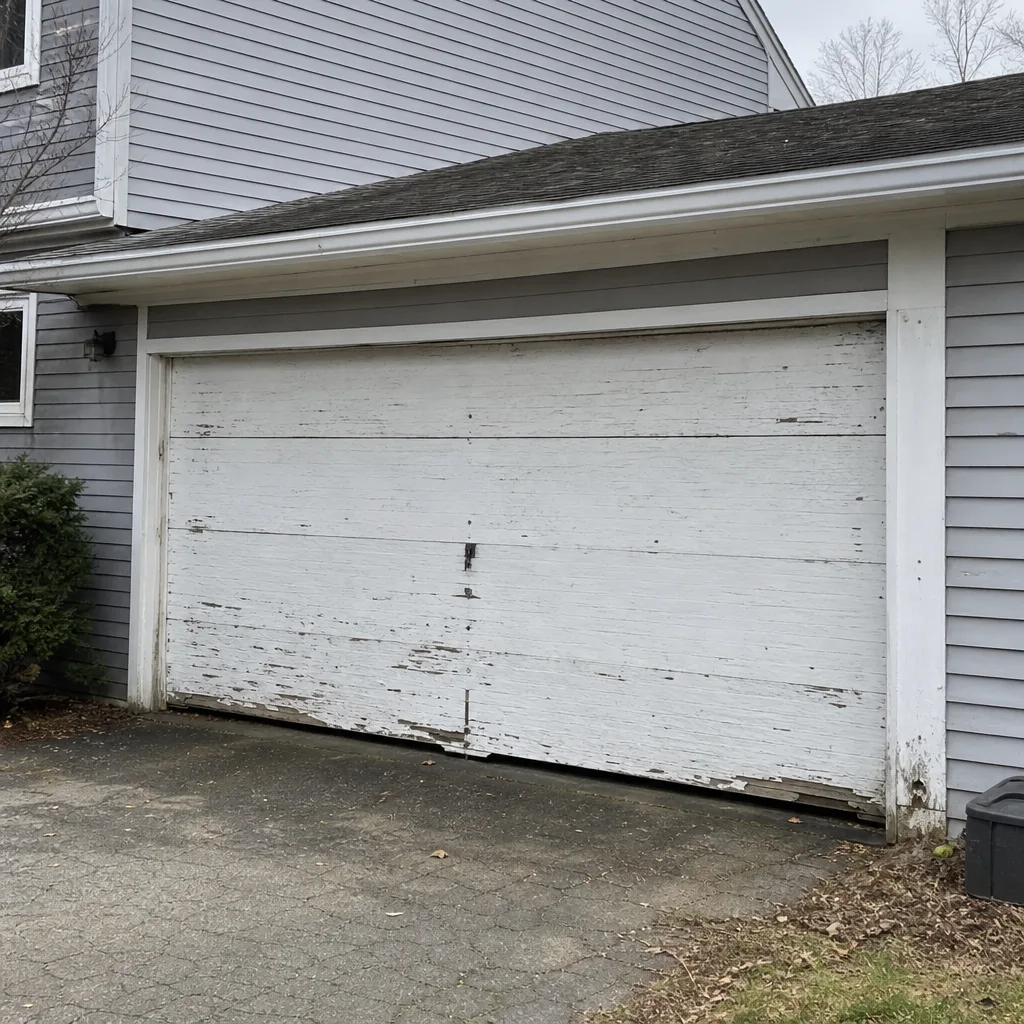 Before
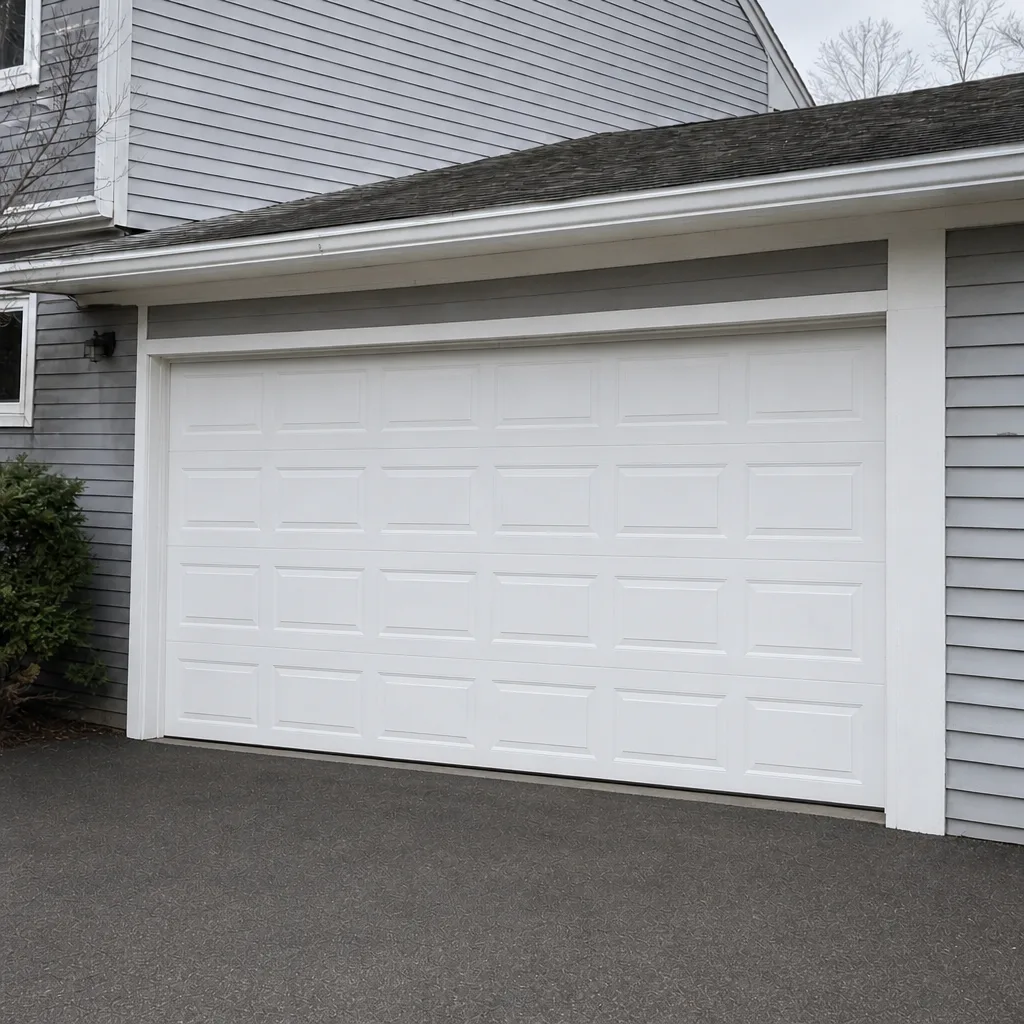 After
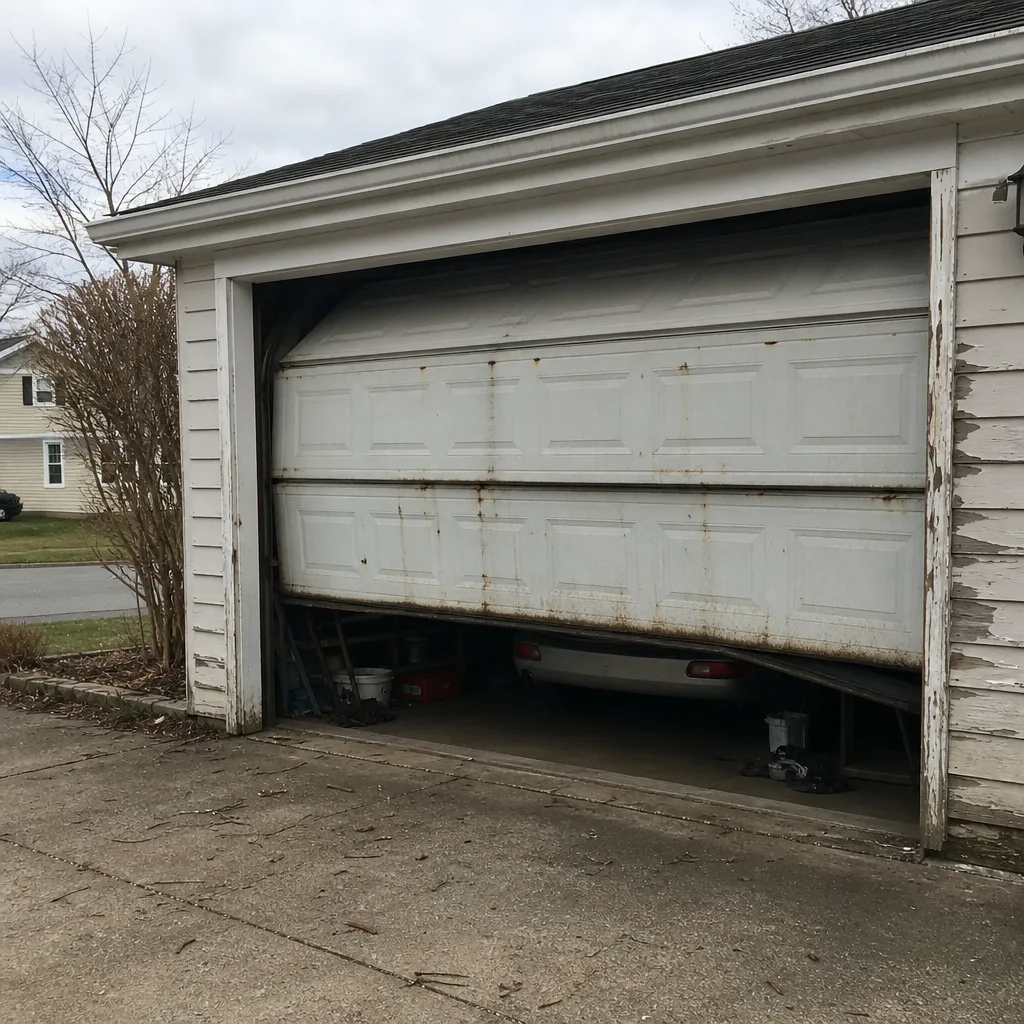 Before
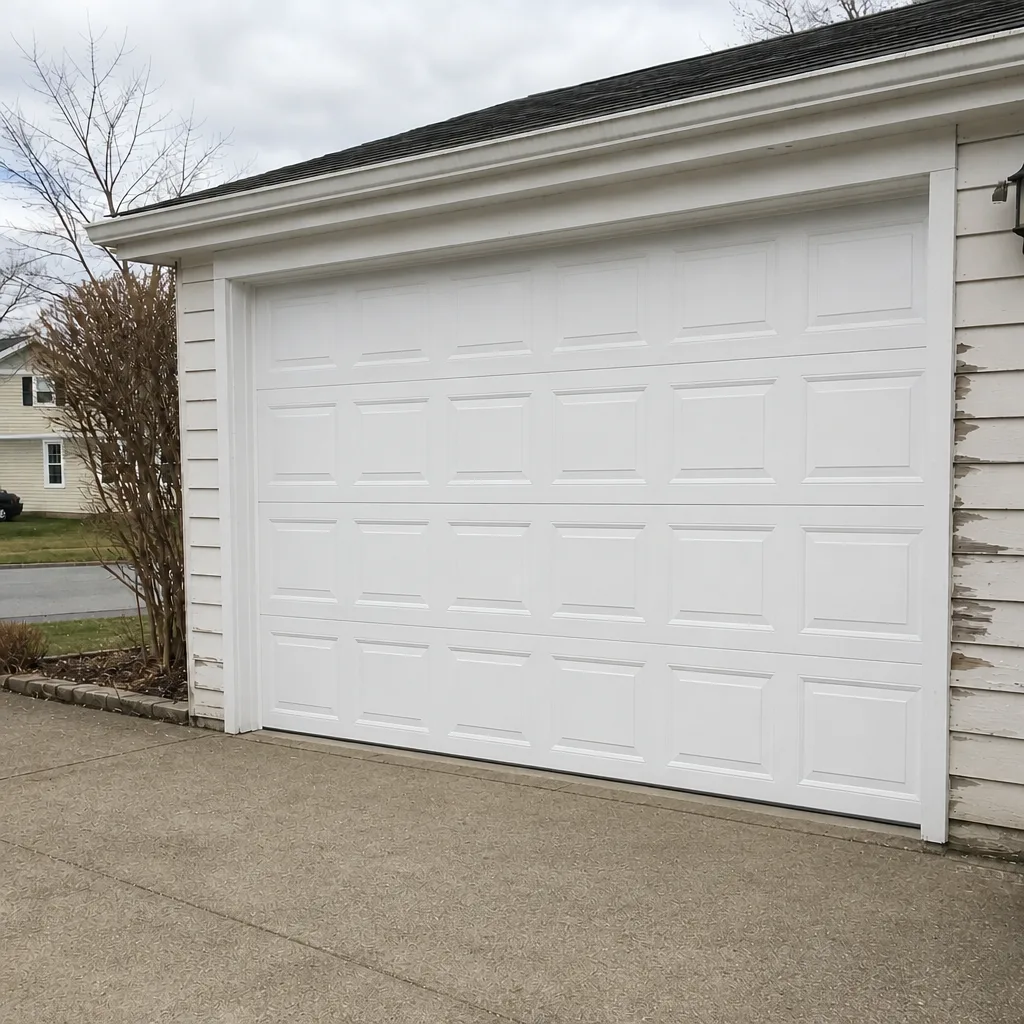 After
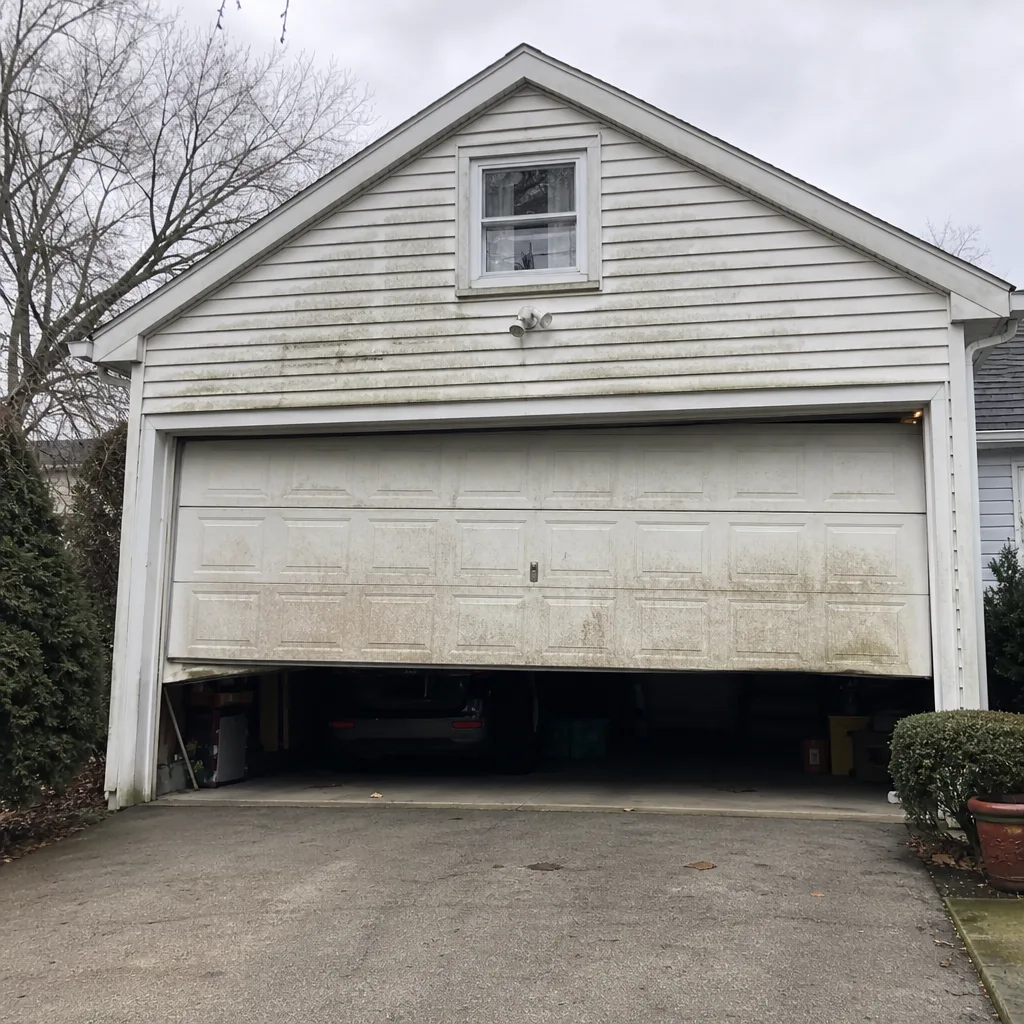 Before
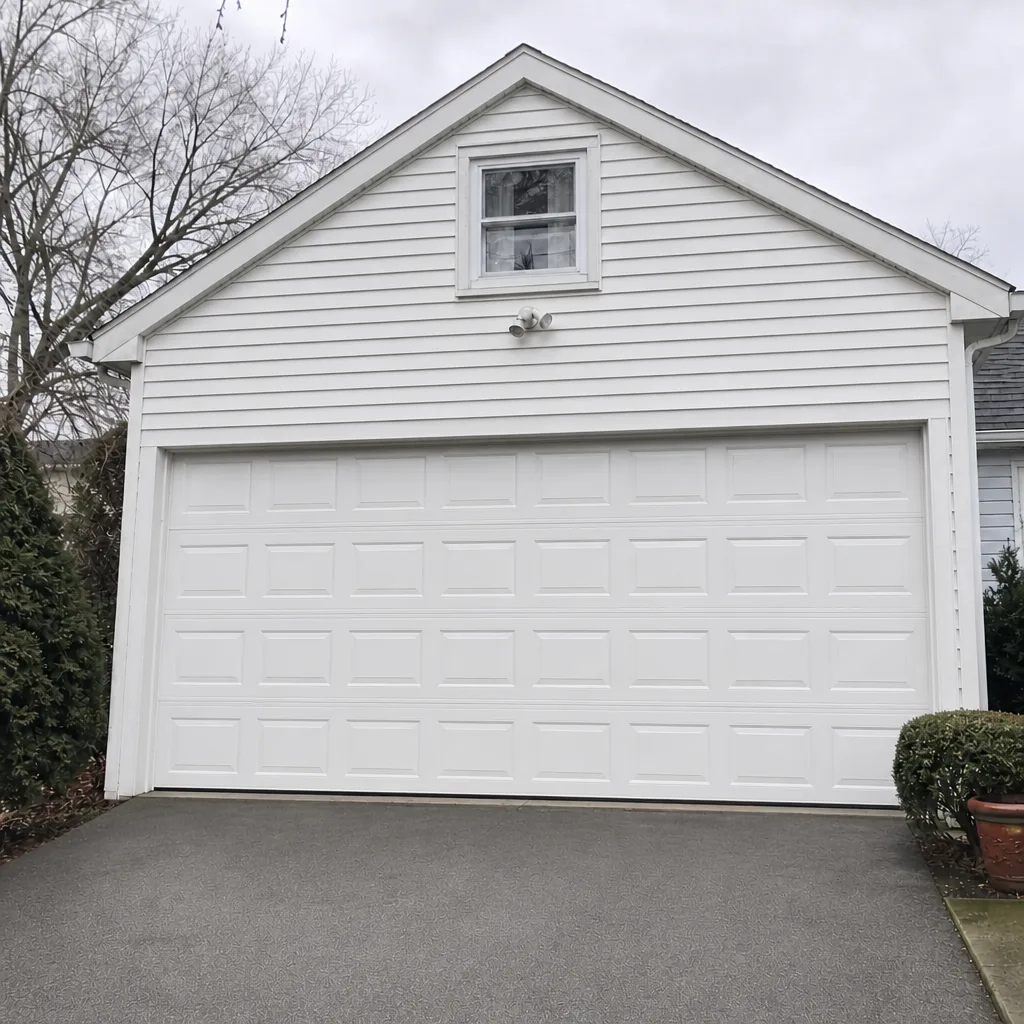 After
Common Mistakes to Avoid
- Assuming “replacement” always means “no permit.” A like-for-like swap usually doesn’t need one, but a swap bundled with a header change or a new opener circuit does. Confirm the scope before assuming.
- Letting a handyman pull the opener circuit. Electrical work in a Framingham garage needs a licensed electrician. Improvised wiring is one of the most common inspection failures, and it’s also a fire risk in a space that sees gasoline and lawn equipment.
- Skipping the permit on a structural change to save the fee. The permit fee is a small part of the total cost. The downside shows up at resale, when the buyer’s inspector sees a modified opening with no paper trail and asks the seller to resolve it before closing.
- Not asking for the permit before work starts. If you’re being told a permit will be pulled “later,” push back. The permit needs to be in place before the work, not after.
- Ignoring the inspection sign-off. A permit that was pulled but never closed with a final inspection is not the same as a resolved permit. If you receive a new door, confirm the final inspection happened.
- Buying a Framingham home without checking garage permit history. The garage door is one of the easiest features to have been modified without documentation. A five-minute records check before contingencies come off is worth the effort.
- Trying to replace a spring yourself. We have to say this plainly: springs and cables are under extreme tension, and DIY spring work causes serious injuries every year. That job is not a homeowner job, regardless of what a video shows.
When to Call a Professional
Call a garage door specialist when the door won’t move, won’t stay closed, or looks misaligned after a storm. Call when you hear the spring snap – that metallic bang from the garage is the sound of a job that a specialist should handle. Call when the opener is grinding, stalling, or losing the photo-eye safety. Call when you’re planning a replacement and want the opening evaluated before you commit to a model, particularly if the door is larger than what was originally on the house or you’re considering a different door weight class. Call when you’re buying a Framingham home and want a technician to look at the door and opener before closing, as a practical check on the permit paperwork. And call if the door is stuck open on a cold night and you can’t get it closed.
Framingham Garage Door Repair Pros offers free estimates in Framingham – call (877) 665-1930. Our technicians have up to 12 years of experience on doors and openers, and we work on LiftMaster, Chamberlain, Genie, Clopay, Amarr, Wayne Dalton, Craftsman, and Raynor equipment. Garage doors are all we do, so the scope, the permitting question, and the written price are the same conversation.
Frequently Asked Questions
Not for a like-for-like replacement in the same opening with the existing opener circuit. A permit is typically required when the work involves a structural change to the opening (header, framing, widened opening), new electrical circuits for an opener, or when the door is part of a larger permitted project. Confirm scope with Framingham’s building department before work begins. Call (877) 665-1930 if you’d like us to look at the opening first – estimates are free.
780 CMR is the Massachusetts State Building Code, and Framingham enforces it locally. It covers structural adequacy of the opening, fire separation between the garage and living space, electrical provisions for opener wiring, and egress where it applies. For a straightforward replacement, most of these provisions are already satisfied by the existing construction, but any structural or electrical change brings the code into play. Call (877) 665-1930 for a free assessment of whether your job crosses that line.
Contact Framingham’s building department with the property address and ask for permit history, especially for the last 15 years. Check any online permit portal the town offers, then ask the seller for documentation of any garage work and have a home inspector check the opening. Open or expired permits that were never closed with a final inspection need to be resolved before closing. Call (877) 665-1930 if you want a technician to look at the door itself before contingencies come off.
At the rough-in, they verify header sizing, framing fasteners, fire separation, opening dimensions, and any opener electrical rough-in. At the final, they verify the door operates through its full range, the auto-reverse and photo-eye safety features work, electrical is finished and covered, and the completed work matches the permit description. Call (877) 665-1930 for a free measure and written scope before your project starts.
Framingham Garage Door Repair Pros runs a dedicated emergency line for situations like a stuck-open door, a door that won’t close, or a snapped spring. We’re closed on Saturday for scheduled work, so if your door fails that day, call and we’ll book it for Sunday. Fast dispatch runs 7am to 7pm on regular days. Call (877) 665-1930.
No. The estimate is agreed before any work starts, and it’s the price you’ll be invoiced. If the job reveals something that legitimately changes scope (a compromised header, a track that needs replacement, an opener that fails when tested), we discuss it with you and get written approval before doing any additional work. Nothing gets added to the invoice without your sign-off. Call (877) 665-1930 for an exact quote – estimates are free.
The Bottom Line
Most garage door replacements in Framingham don’t need a permit. Some do, and the difference is structural or electrical scope, not the door itself. Confirm with the building department before work starts, keep the paperwork for any job (permit or not), and if you’re buying a Framingham home, check the permit history before contingencies come off. Springs, cables, and openers are a specialist’s job; the paperwork and the price should be the same conversation as the repair. If you’re unsure which side of the line your project falls on, a technician who works on doors every day can give you a straight answer in one visit.
Call Framingham Garage Door Repair Pros at (877) 665-1930 for a free estimate. We’ll walk the opening with you, tell you whether a permit is part of the job, and put the price in writing before anything is touched.
Written by the team at Framingham Garage Door Repair Pros.