Last updated November 22, 2026
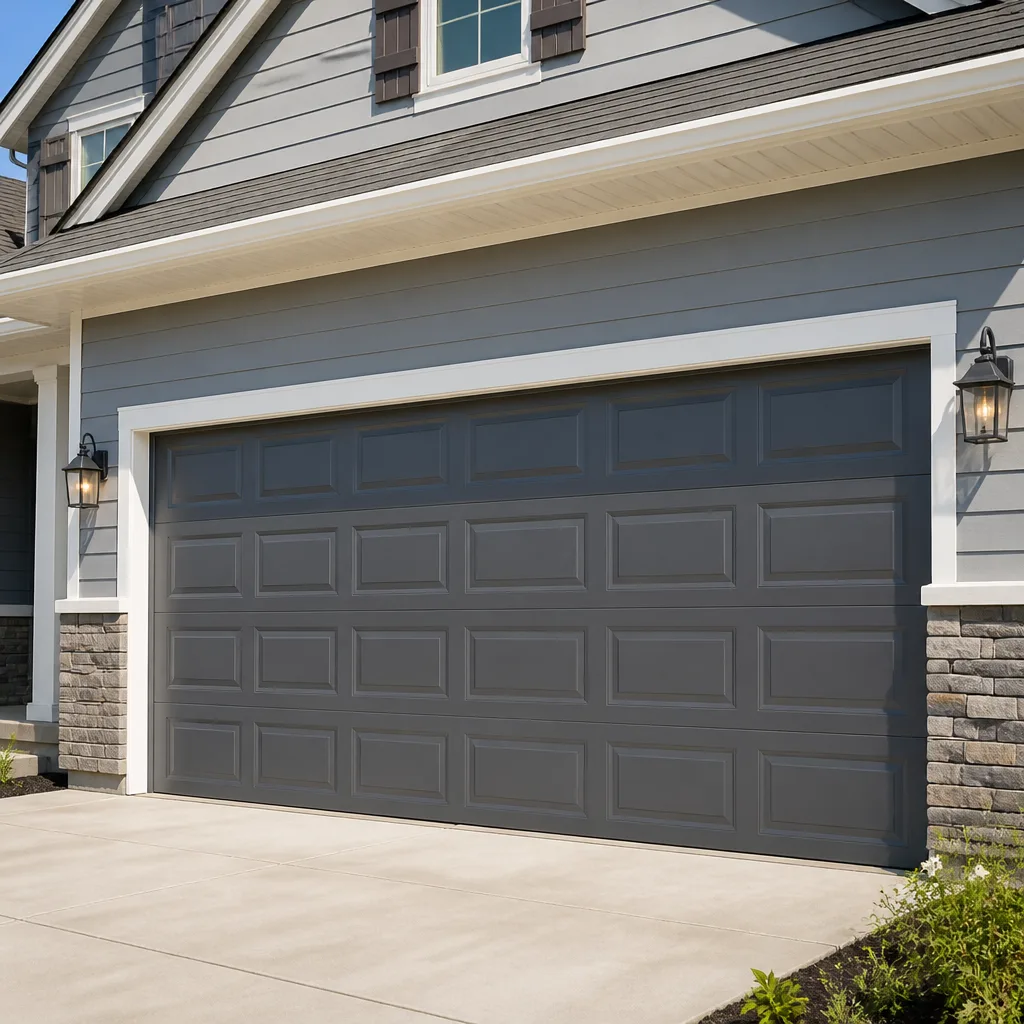 Raised-panel steel
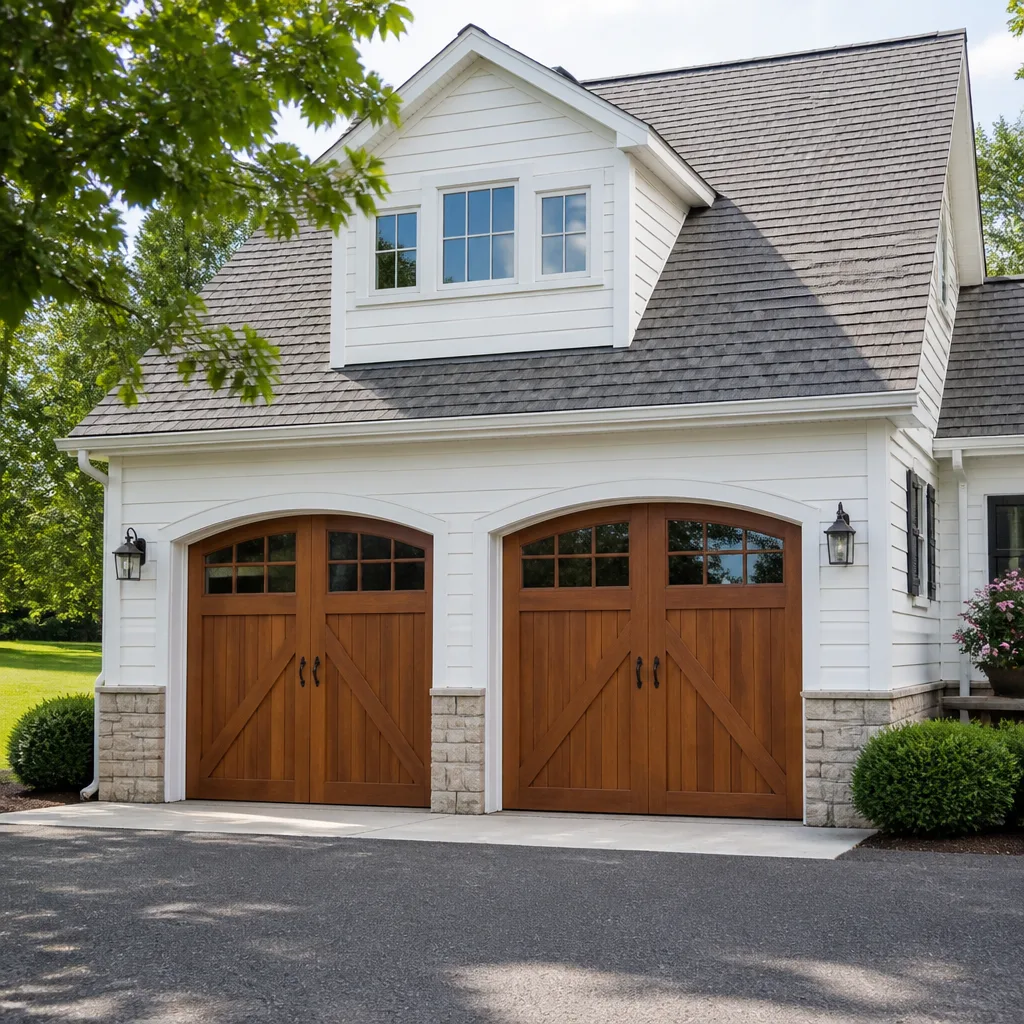 Carriage house
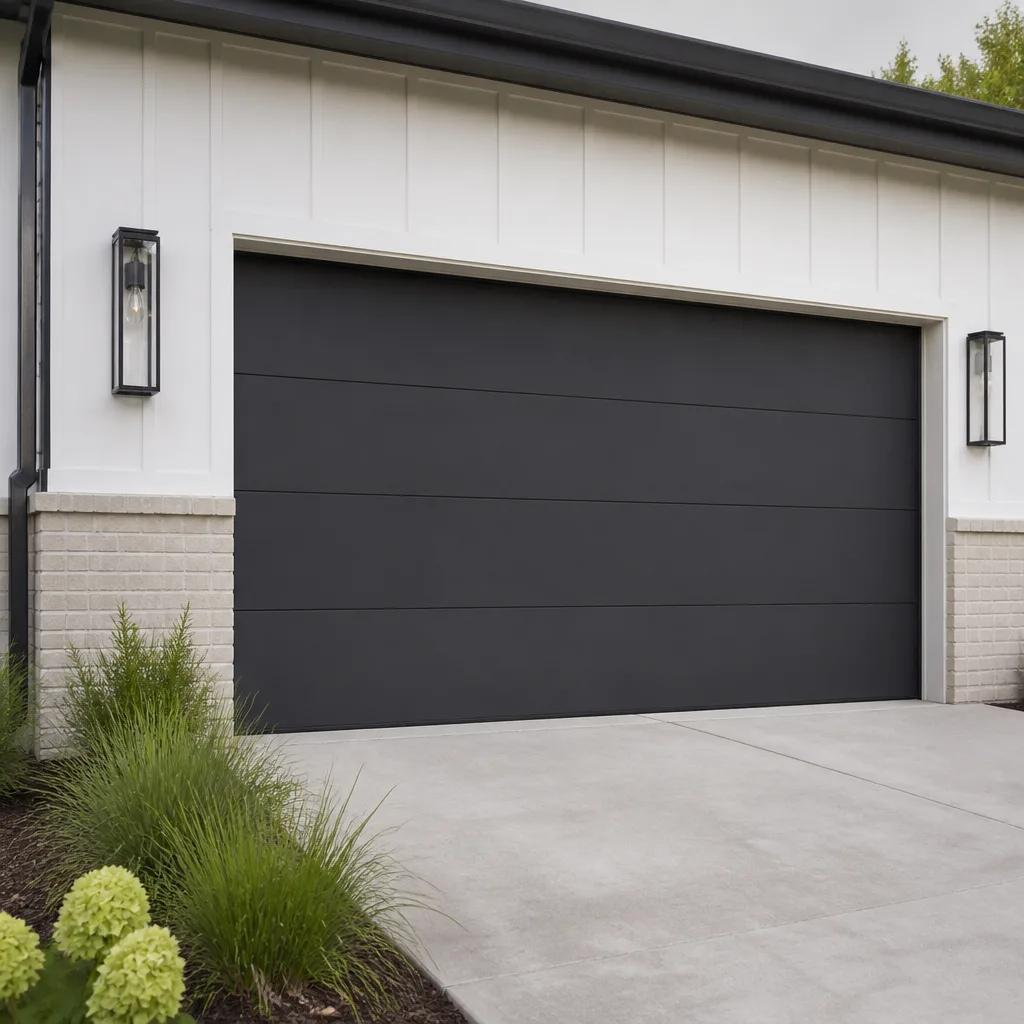 Modern flush
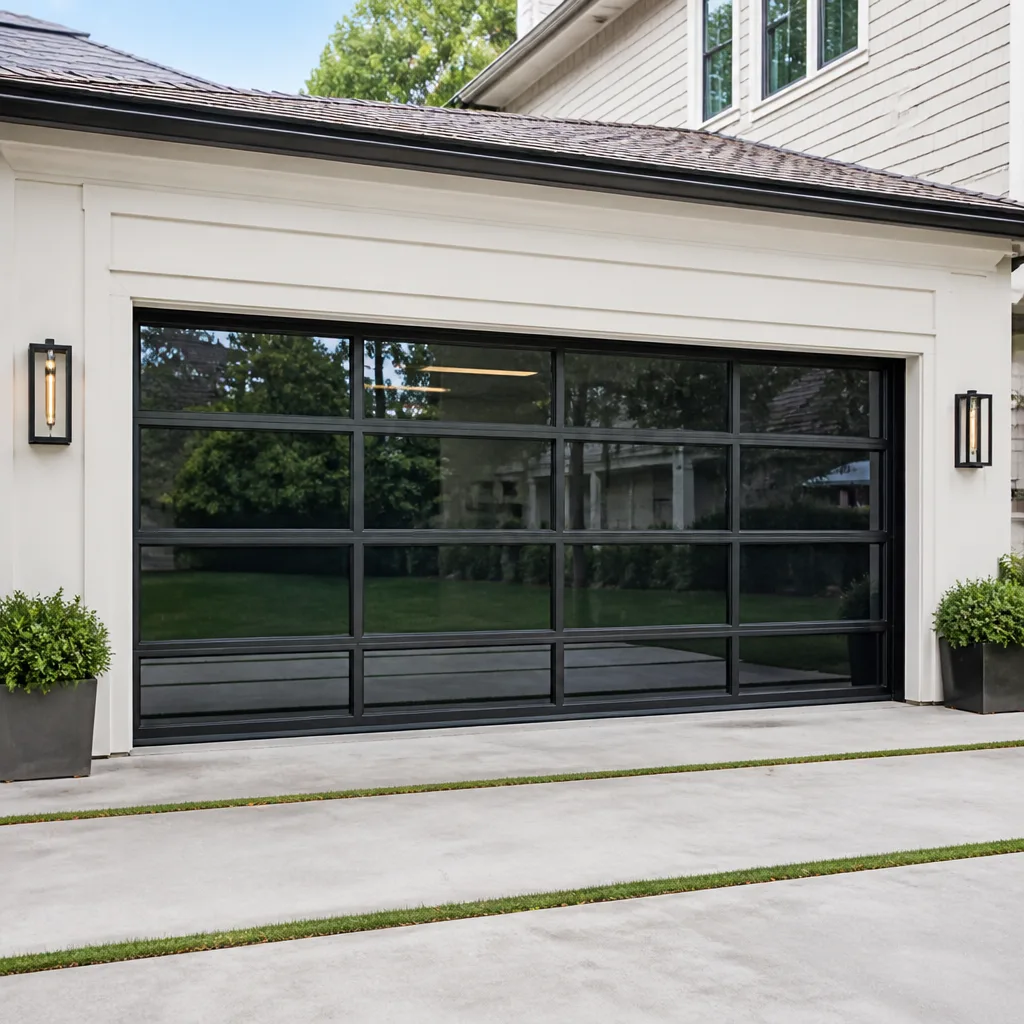 Full-view glass
 LiftMaster openers
 Chamberlain openers
Full 25-point door and opener safety check with every visit - springs, cables, rollers, tracks, and your LiftMaster or Chamberlain opener included
You get a price before we start. It does not change when the pro arrives.
Get your free estimateSeasonal Garage Door Care for Framingham: Year-Round Homeowner’s Guide
Your garage door’s springs don’t read the cycle rating on the box. That number assumes steady use in steady conditions, but Framingham hands a door something much harsher: a climate that swings from single digits in January to muggy 90s in July, with a long, wet thaw dragging through March. Metal expands and contracts with every one of those swings, and the fatigue adds up faster than any cycle count predicts. Most doors here don’t fail from too much use. They fail because nobody looked at them twice a year. This guide walks through the two danger windows – spring thaw and the late-fall temperature drop – and the hour of attention at each that keeps a door running. You’ll get specific chores by season, the mistakes that cause the most damage, and clear signs it’s time to call someone.
Quick Answer
Seasonal garage door care in Framingham comes down to two tune-ups a year: one in late fall before temperatures drop below freezing, and one in early spring after the thaw. Fall work is mostly lubrication, weatherstripping, and balance checks; spring work is assessment, tightening, and travel-limit adjustments. In between, a quick visual check each month catches most problems before they become a stuck door on a cold morning.
Styles & brands we work with
- Raised-panel steel
- Carriage house
- Modern flush
- Full-view glass
- LiftMaster openers
- Chamberlain openers
Table of Contents
- Why Framingham’s Climate Is Hard on Garage Doors
- Fall Prep: The Must-Do Work Before the First Freeze
- Why Garage Doors Freeze to the Ground in Framingham Winters
- Spring Post-Mortem: What Winter Did to Your Hardware
- Summer Humidity, Wood Doors, and Travel Limits
- The One Task Before Every Thanksgiving
- A Simple Monthly Walkaround
- Common Mistakes to Avoid
Why Framingham’s Climate Is Hard on Garage Doors
Garage door springs are rated by cycle count – the number of open-and-close movements they’re engineered to survive. That rating is real, but it assumes the spring lives in a stable environment. In Framingham, it doesn’t. The metal in a torsion or extension spring expands in July heat and contracts in January cold, and that cycling happens even when the door never moves. Over a few winters, the constant flexing adds stress the cycle rating never accounted for.
The same forces work on the rest of the door. Steel panels bow slightly with temperature, then return. Tracks move a fraction of an inch as the slab and framing shift with frost. Weatherstripping that’s flexible in October becomes brittle by February. Rollers that spin freely in warm weather stiffen when grease thickens in the cold.
The result is a system that ages unevenly. A door that looks fine in September can be one frozen morning away from a snapped spring or a stripped opener gear, not because it’s worn out but because the seasonal stress has quietly stacked up. Framingham homes with attached garages feel this most, since the door separates a heated living space from an unheated one and lives in the temperature gradient between them.
Knowing this, the whole point of seasonal care is to catch the damage before it converts into a failure. Two focused tune-ups a year, timed to the two danger windows, do more for a door’s lifespan than any single repair. The rest of this guide shows you exactly what those tune-ups involve.
Fall Prep: The Must-Do Work Before the First Freeze
The most important garage door work of the year happens in October, before the first hard freeze. Once temperatures drop below freezing, lubricants thicken and weatherstripping stiffens, so anything you skip in fall becomes a winter problem you can’t easily fix. Framingham winters are cold enough that a door left unprepared will strain every time it moves.
Here’s the fall checklist, in the order it should be done:
- Lubricate every moving part. Use a garage-door-specific or lithium-based lubricant, not WD-40 or cooking spray. Coat the torsion springs, hinges, rollers, and the track where rollers ride. Do this before the first freeze so the lubricant has time to work into the joints. Cold-weather lubricant stays flexible; the wrong product turns gummy and adds drag.
- Inspect and replace weatherstripping. The rubber or vinyl seal along the bottom of the door takes the most abuse. Run your hand along it – if it’s cracked, brittle, or no longer touching the floor evenly, replace it now. A worn seal lets cold air, snow melt, and small pests into an attached garage, and it lets water pool where the door meets the slab, which is exactly what causes freeze-sticking.
- Check the balance. Disconnect the opener (pull the release handle) and lift the door halfway by hand. It should stay put. If it drifts down, the springs are losing tension and need attention before they fail completely.
- Tighten the hardware. Run a wrench over every hinge bolt and track bracket. Vibration from a season of use loosens hardware, and loose brackets let the track shift.
- Test the safety reverse. Put a 2×4 flat on the floor under the door and close it. The door should reverse on contact. Test the photo-eye sensors by blocking the beam – the door should stop and reverse.
None of this takes more than an hour on a typical Framingham two-car garage. The payoff is a door that runs smoothly through the coldest months, when a breakdown is most inconvenient and most likely.
Why Garage Doors Freeze to the Ground in Framingham Winters
If you’ve lived through a few Framingham winters, you’ve probably seen it: you hit the opener on a January morning and the door groans, shudders, and stays put. The bottom seal has frozen to the concrete slab. Meltwater from the roof, snow pushed against the door, or just condensation under the seal freezes overnight and bonds the rubber to the floor.
Most people respond by holding the opener button down and hoping the motor will outmuscle the ice. This is the wrong move, and it’s the one that does real damage. The opener is designed to lift a balanced door, not to break a frozen bond. When it strains against the ice, the gear train, the drive belt or chain, and the motor all take loads they weren’t built for. On a belt-drive opener, that’s often enough to strip the belt. On a chain drive, it can burn out the motor. Either way, you’ve turned a five-minute thaw into a full opener replacement.
The correct sequence:
- Pull the manual release handle. This disconnects the opener from the door so you can work the door by hand.
- Break the ice gently. Pour warm – not boiling – water along the seal where it meets the slab, or use a plastic scraper to work under the seal. Never use a metal shovel or an ice chopper against the door or seal. You’ll tear the rubber or dent the bottom panel.
- Once the door releases, open it by hand partway and clear any ice or snow from the threshold so it doesn’t refreeze.
- Dry the seal and the slab before closing.
- Reconnect the opener and test it once with the door fully closed.
If this happens repeatedly, the underlying cause is usually the seal itself – a worn or flattened bottom seal holds water against the floor and freezes more easily than a fresh one. A new seal, with the door properly adjusted so it meets the floor evenly, solves it. If you’d rather not tangle with frozen hardware on a cold morning, we’re a call away – this is one of the most common winter calls we get in Framingham, and it’s often resolved during a routine service visit before it happens.
Spring Post-Mortem: What Winter Did to Your Hardware
When the thaw comes in March, your garage door has just survived three months of the harshest conditions of the year. The problem is that the damage doesn’t always announce itself. A door that’s been quietly stressed all winter can run fine through April and May, then fail without warning in the middle of a summer heat wave – because the stress finally crosses the threshold. This spring assessment is what prevents that mid-summer surprise.
Work through these checks after the last hard freeze, before the weather warms enough to make you forget:
- Look at the springs. Torsion springs sit above the door along a shaft; extension springs run along the horizontal tracks. Look for gaps, visible separation, or a sagging section. A failed spring often shows a clear break. Any visible damage means the spring needs replacement before anything else.
- Run the door by hand. Disconnect the opener and lift the door. It should feel balanced and smooth. Grinding, catching, or a door that feels much heavier than it did in the fall points to spring fatigue or roller problems.
- Check the tracks. Frost heave can shift the slab and knock the vertical tracks out of plumb. Run a level along each track. Tracks should be straight and evenly spaced the full height of the door.
- Inspect the rollers. Cold weather stiffens grease and grinds rollers against the track. If any roller wobbles on its stem or has flat spots, replace it.
- Check the cables. Look for fraying, kinks, or slack. Cables are under high tension and should never be adjusted or touched by a homeowner.
- Test the opener’s force settings. Openers have force adjustment screws or settings. After a season of cold, the door may need slightly more force to move – but if it needs noticeably more, that’s a symptom of a deeper problem, not something to dial up and ignore.
The spring and cable checks are the ones you can do visually only. Never try to adjust, tighten, or replace a torsion spring or a cable yourself. Those parts store enormous energy, and the injury risk from a sudden release is serious. Our garage door spring repair technicians handle that work with the right tools and the door safely de-tensioned. If your springs show any sign of wear, let a specialist look before you use the door again.
Summer Humidity, Wood Doors, and Travel Limits
Framingham summers are humid enough that wood garage doors swell. The panels and stiles absorb moisture from the air and expand slightly – often just enough to change how the door fits in its frame. A door that ran freely in May can start to bind in July, and that binding puts strain on the opener and the springs.
Clopay and Amarr both offer wood and wood-composite doors that are common on older Framingham homes, and both need a little attention in humid weather. The fix isn’t to sand or adjust the panels – it’s to make sure the opener’s travel limits are set correctly so the door opens and closes fully without forcing. When the door swells, the opener pushes harder to complete its cycle, and that extra force wears the gear train and stresses the panels.
What to check in summer:
- Watch the door close completely. If it stops just short of the floor, or if it presses hard against the floor and bounces back, the close limit is off.
- Listen for strain on open. A wood door that groans or slows near the top is binding somewhere. Check whether the panels are rubbing against the frame.
- Adjust travel limits on the opener if you know how – most openers have limit screws or a digital setting. If you’re not sure, ask a technician to set them during a service call.
- Seal bare wood. A coat of exterior-grade sealer or paint on any exposed wood reduces moisture absorption and the swelling that follows.
- Keep the threshold clear. Summer storms bring water under the door. Make sure the bottom seal is intact and the slab drains away from the door, not toward it.
Binding wood doors don’t fix themselves when the humidity drops; the panels shrink back, but the wear from the binding stays. Adjusting travel limits before the door binds – ideally in late spring – is one of the cheapest preventive moves you can make. When the opener’s garage door opener repair is needed because of gear wear from a binding door, that’s a job for someone familiar with the brand.
The One Task Before Every Thanksgiving
If you only do one thing all year, do this: before Thanksgiving, get on a step stool and check the torsion spring above the door, then run the door once by hand with the opener disconnected and listen. That single check, done before the cold really settles in, is the best predictor of whether you’ll be dealing with a snapped spring in January.
Why Thanksgiving? It’s the last comfortable window before Framingham’s temperatures drop into the range where springs are most likely to fail. Springs that are already fatigued tend to snap on the first cold morning the door gets heavy use, and the holidays are when that happens most – guests arriving, extra cars, doors opening and closing more than usual. A spring that’s been quietly weakening all fall often chooses that week to give out.
The check itself is simple:
- Look at the spring (the coil above the door on a torsion system) for gaps, rust, or a visible break.
- Disconnect the opener and lift the door by hand. It should feel balanced. If it’s noticeably heavier than it used to be, the spring is losing tension.
- Listen for a metallic twang or a popping sound when the door moves. A spring under stress makes noise before it fails.
- Check the cables for fraying or slack at the bottom corners.
If anything looks off, call before the holiday rush, not during it. We handle garage door repair for Framingham homes and can often get out quickly when a spring is the issue. Catching it in November is a straightforward repair; catching it on a frozen January morning is an emergency.
A Simple Monthly Walkaround
Seasonal tune-ups handle the big swings, but a two-minute walkaround once a month catches the small stuff before it becomes a problem. You don’t need tools or a ladder for most of it.
- Open and close the door once, slowly. Watch and listen for anything new – a squeak, a shudder, a spot where the door hesitates.
- Look at the springs. No ladder needed; you can see the torsion spring and the extension springs from the floor.
- Check the bottom seal. Run your foot along it to feel for gaps or tears.
- Look at the tracks. Are they straight? Any dents or bends from a bumped car or a stray bike?
- Test the safety reverse by putting something in the door’s path and closing it. It should reverse on contact.
- Check the opener’s light and sensors. The photo-eye lenses should be clean and aligned.
That’s it. Frame it as a chore tied to something you already do – the first of the month, or the day you take out the recycling – and it becomes automatic. When something looks wrong, don’t wait for the seasonal tune-up. Small issues compound, and a roller that’s starting to wobble in April is a cheap fix that becomes a track replacement by August.
Common Mistakes to Avoid
- Yanking the door when it’s frozen. Holding the opener button down against a frozen seal is the single most common cause of opener motor and belt failure in Framingham winters. Disconnect the opener, thaw the seal gently, then reconnect.
- Lubricating with the wrong product. WD-40, silicone spray, and household oils attract dust and gum up in cold weather. Use a garage-door-specific or lithium lubricant rated for low temperatures.
- Skipping the fall tune-up because the door still works. A door that runs fine in October can be a spring failure waiting to happen. The fall check is preventive, not reactive – it’s about what the door will do in February, not what it’s doing now.
- Adjusting travel limits to compensate for a binding door. When a wood door swells in summer humidity, dialing up the opener force masks the binding instead of fixing it. Adjust the limits, check the fit, and address the swelling.
- Ignoring a wobbling roller or a squeaking hinge. These are the cheapest parts on the door and the earliest warning signs. A roller is a few dollars; the track damage from a failing roller is not.
- Thinking the cycle rating on the spring guarantees its lifespan. In New England, temperature swings stress springs beyond what the cycle count accounts for. Judge your spring by how the door feels and sounds, not by how many times you’ve opened it.
- Forgetting the bottom seal. A worn bottom seal is the root cause of most freeze-sticking and a surprising amount of water damage. It’s the cheapest weatherproofing on the whole door and the easiest to overlook.
See the difference
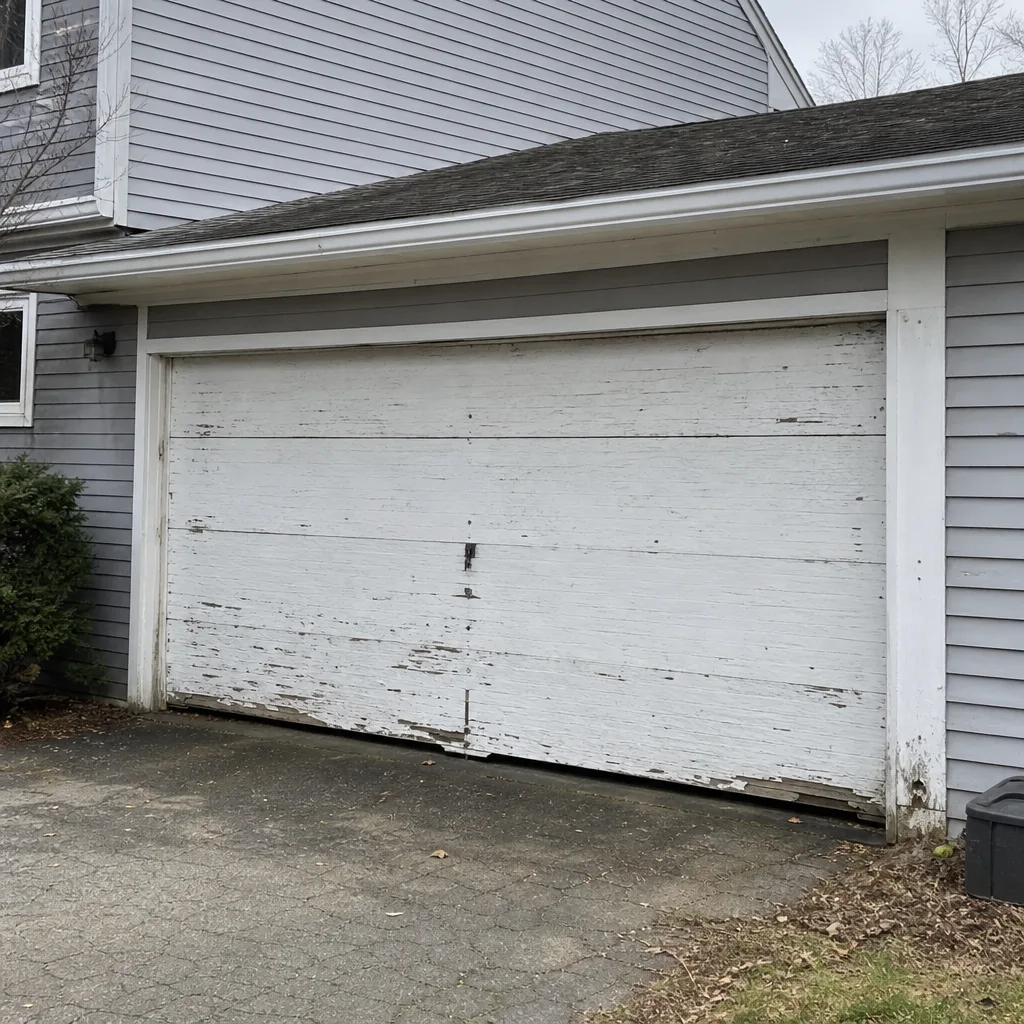 Before
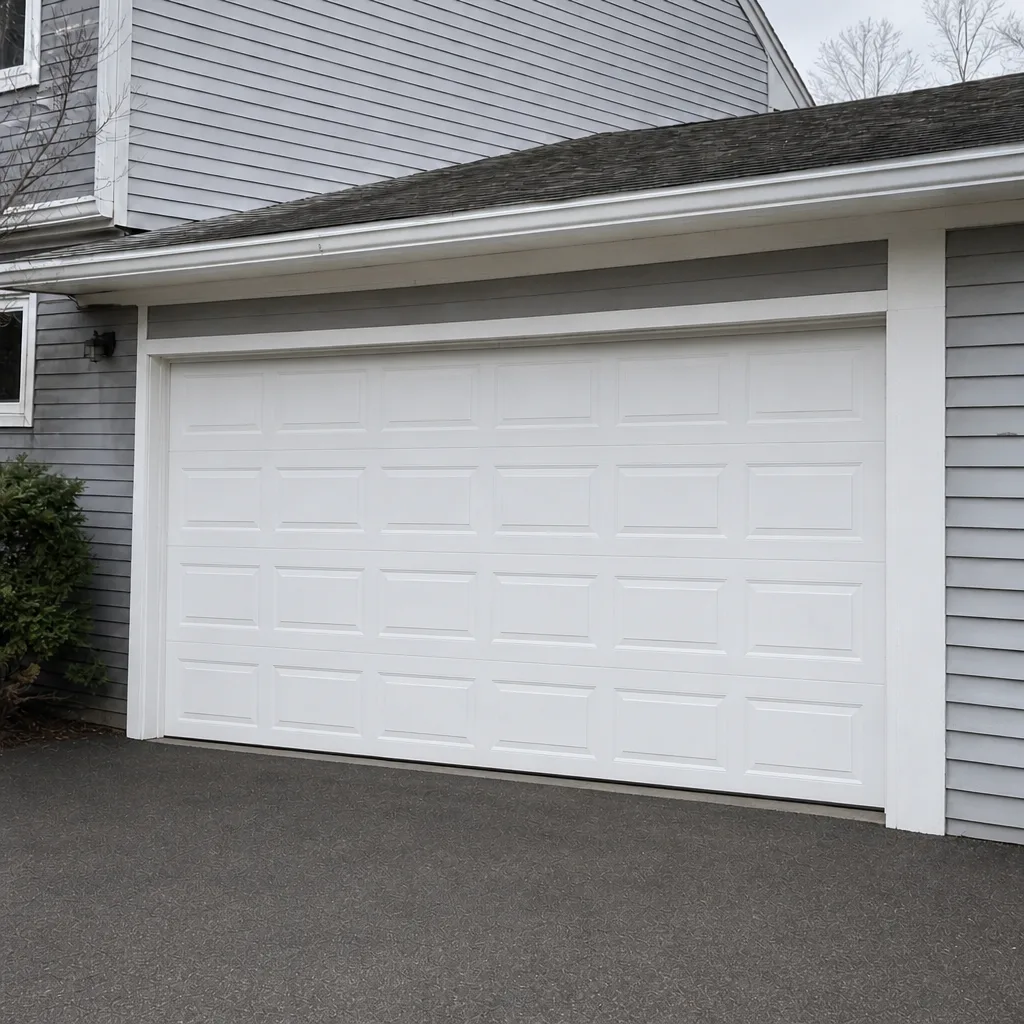 After
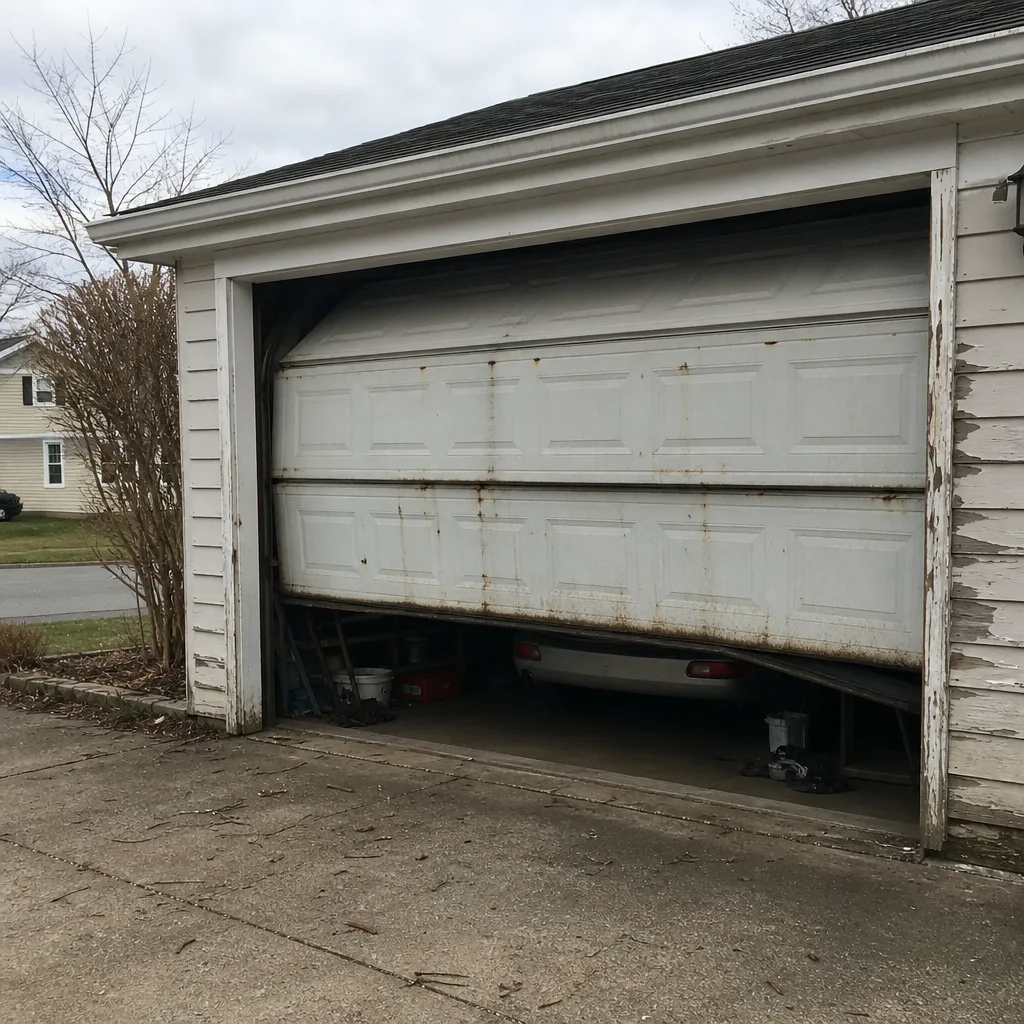 Before
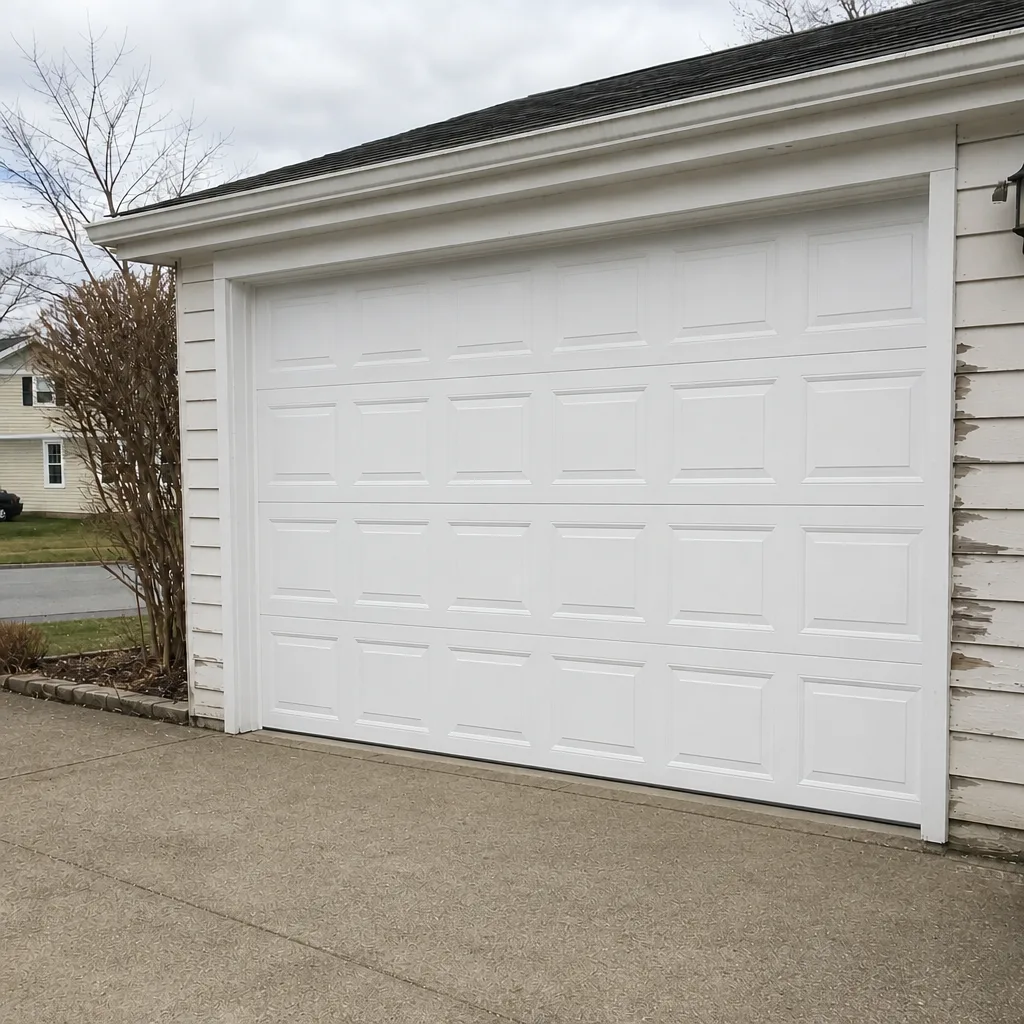 After
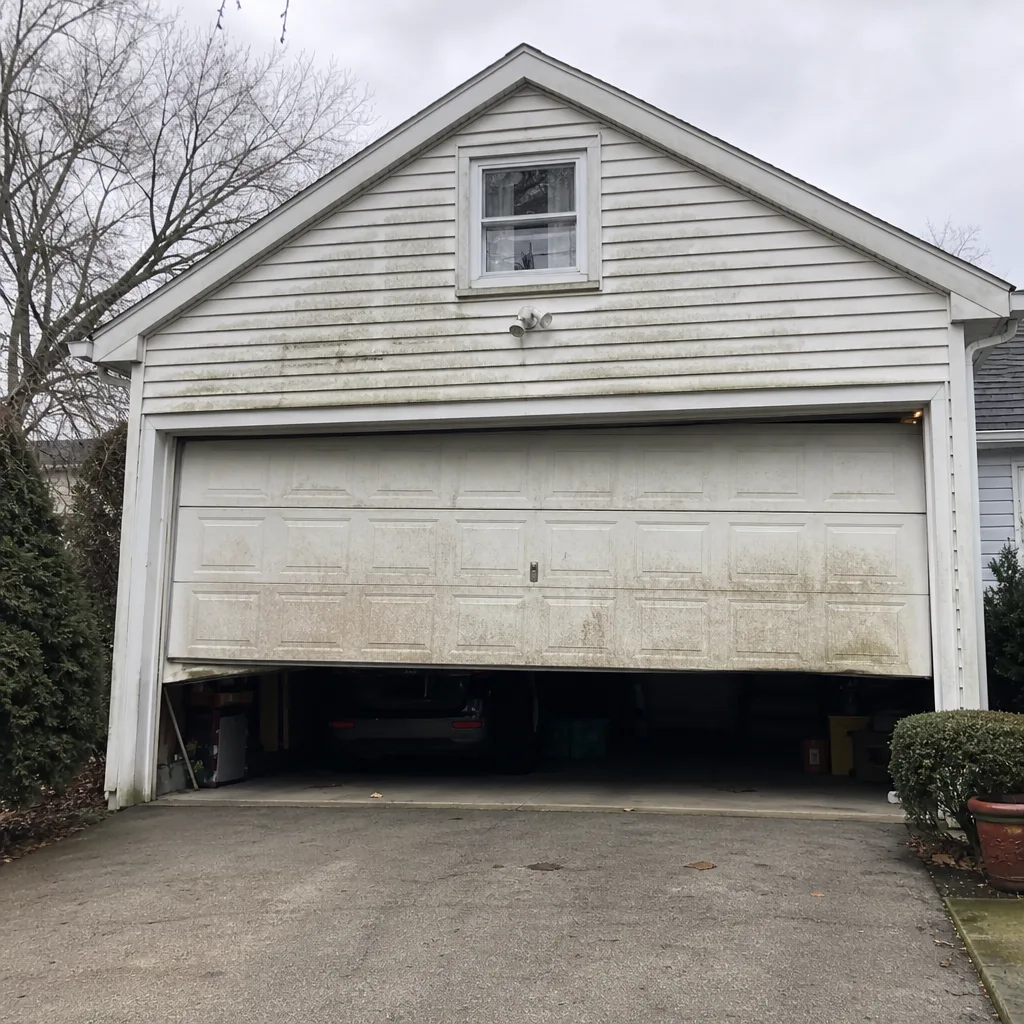 Before
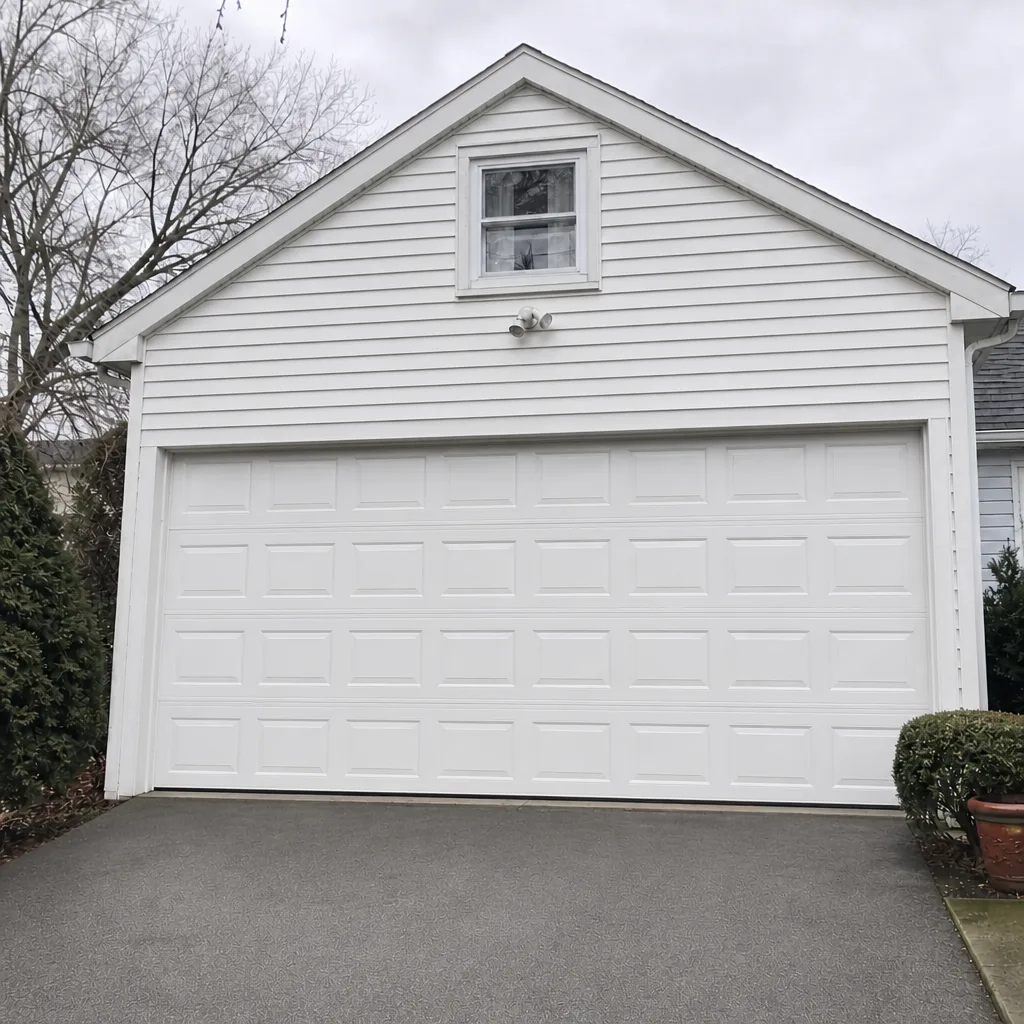 After
When to Call a Professional
Some garage door work is fine for a homeowner with an hour and a wrench: lubrication, tightening hardware, testing the safety reverse, checking the seal. Other work isn’t. Call a professional when you see a broken or visibly sagging spring, a frayed or slack cable, a door that’s come off its track, a door that won’t stay balanced when you lift it by hand, or an opener that’s straining, grinding, or failing to reverse. Also call if a wood door has started binding and adjusting the travel limits doesn’t fix it, or if your door has frozen repeatedly despite a new seal. Springs and cables are the two parts that cause real injuries when they let go, and they’re not a DIY job.
Framingham Garage Door Repair Pros offers free estimates in Framingham – call (877) 665-1930. Our technicians have up to 12 years of experience, garage doors are all we do, and we work on the brands already on your home, including Clopay, Amarr, Wayne Dalton, and Craftsman. If a door fails outside the usual day, call and we’ll book you for the next available slot – early mornings or Sundays included.
Frequently Asked Questions
Twice a year is the right rhythm here: once in late fall before the first freeze, and once in early spring after the thaw. Those two windows match the points where Framingham’s temperature swings do the most damage. Between them, a quick monthly walkaround catches small issues early.
Meltwater, snow, or condensation under the bottom seal freezes overnight and bonds the rubber to the concrete slab. Don’t force it with the opener – pull the manual release, thaw the seal gently with warm water or a plastic scraper, and dry the threshold before closing. A worn bottom seal is usually the underlying cause, and replacing it solves most recurring freeze-sticking.
Yes, and you should – lubrication is a homeowner-safe task. Use a garage-door-specific or lithium-based lubricant on the springs, hinges, rollers, and tracks, and do it in fall before temperatures drop below freezing, when standard lubricants thicken and add drag.
Check the springs for gaps or visible breaks, run the door by hand to confirm it’s balanced, inspect the tracks for frost-heave shifting, look at the rollers for flat spots or wobble, and check the cables for fraying. Test the opener’s force settings too. If the door feels much heavier than it did in the fall, the springs need a professional look.
Humidity makes wood panels swell, which can change how the door fits in its frame and cause binding. Adjust the opener’s travel limits so the door opens and closes fully without forcing, seal any bare wood, and keep the threshold clear of water. Binding left alone wears the opener’s gear train and stresses the panels.
Yes. Torsion and extension springs store enormous energy, and a sudden release can cause serious injury. Never adjust, tighten, or replace a spring or cable yourself. This is exactly the work our garage door installation and spring specialists handle regularly, and it’s the most common garage door job in Framingham for good reason.
The Bottom Line
Framingham’s four seasons don’t hit a garage door equally. The two danger windows are the late-fall temperature drop and the spring thaw, and the homeowners who do an hour of work at each are the ones who avoid the mid-winter failure and the mid-summer surprise. Fall means lubrication, weatherstripping, balance checks, and hardware tightening. Spring means assessment – springs, tracks, rollers, cables, force settings. Summer means watching for wood-door swelling and travel-limit adjustment. And the one task before every Thanksgiving is the spring check that predicts whether you’ll be calling for help in January.
If your door has shown any of the warning signs in this guide, don’t wait for the next season. Call Framingham Garage Door Repair Pros at (877) 665-1930 for a free estimate. We connect Framingham homeowners with vetted local garage door professionals who are licensed and insured as the state requires, and we’ll tell you straight whether it’s a tune-up or a repair. Estimates are free, the price is quoted and agreed before any work starts, and the written quote is what you pay.
Written by the team at Framingham Garage Door Repair Pros.